








 Turing Digital Earth
 Turing Data Platform
 High-resolution maps
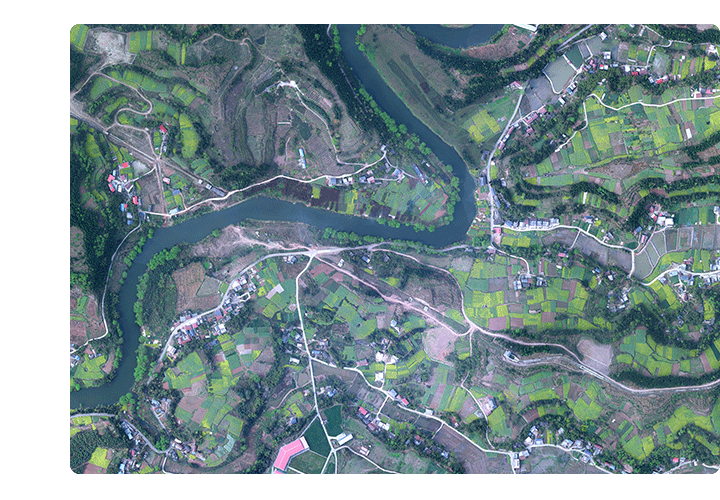 Aerial imagery data
 Satellite remote sensing data
 Customized UAV development
 Aerial Surveying and Mapping Photography
 Electronic Map Production
 Smart City Development
 Natural Resource Applications
 Emergency Management Systems
 Power Grid Management and Maintenance
 Water Resources Industry
 Forestry and Grassland Sector
 Industry-Education Integration
 About Us
 News Information
 Recruitment
 Cooperation Consultation





 返回
返回
返回
返回
返回
返回
返回
返回

1. Complete the tasks of drone production assembly, testing, flight, and project delivery;
2. Ensure the safety of drone flight and comply with relevant laws and regulations;
3. Collaborate with team members to complete designated remote sensing tasks;
4. Assist in completing other tasks related to project implementation.
1. Responsible for handling team management in Zhengzhou company, including personnel training, performance management, team building, administrative office, etc.
2. Responsible for the implementation and quality supervision of surveying and mapping geographic information projects such as satellite remote sensing, aerial photogrammetry, oblique photography, real-time 3D, unmanned aerial vehicle surveying, high-precision maps, etc., including task division, process management, quality control, work evaluation, result delivery, and after-sales maintenance,;
3. Responsible for communicating with users about various issues during the project implementation process, clarifying requirement standards, and ensuring that the project is implemented with quality and quantity as planned;
4. Coordinate and manage the team, including task distribution, recycling, user management, etc., supervise employee work progress and quality, provide guidance and training to team members, and assess employee skill and quality levels.
5. Check and review the data processing results to ensure accuracy and consistency, and complete customer deliveries on schedule.
6. Monitor project progress and quality, promptly identify and resolve issues.
1. Based on the overall sales target and sales plan of the team, focus on marketing and promotion work in the corresponding region or industry.
2. According to the different sales stages divided by the sales process, gradually implement customer visits, communication, coordination, organization and other work, and independently complete or cooperate with the sales director and company executives to complete public relations activities such as business negotiations.
3. Implement team collaboration according to the overall work strategy and plan of the team, and ultimately achieve team goals.
4. Maintain regional customer relationships, assist with major project management, and cooperate with the company in implementing regional projects and market promotion activities.
1. Project Planning and Full Cycle Management
Lead project initiation review, organize project closure review, and establish closed-loop management;
Develop and review project plans (including milestones, resource allocation, and schedule milestones), and track execution deviations;
Prepare project budget and fund payment plan, monitor cost expenditures and cash flow;
Coordinate R&D, production, testing, delivery and other processes, promote cross departmental collaboration, and ensure timely project delivery.
2. Collaboration between procurement and supply chain
Review the rationality of procurement requirements, monitor the execution of procurement plans (including supplier selection, contract signing, and arrival acceptance);
Control the procurement payment process, ensure compliance, and optimize the efficiency of fund utilization;
Collaborate with the supply chain team to solve unexpected problems such as material shortages and quality anomalies.
3. Risk and Cost Control
Identify project risks (such as delivery delays, technical difficulties, cost overruns), develop emergency plans, and promote their implementation;
Regularly output cost analysis reports, optimize resource investment, and propose cost reduction and efficiency improvement suggestions;
Lead project change management and evaluate the impact of requirement changes on schedule and cost.
4. Communication and relationship maintenance
As a liaison between clients and internal teams, regularly report progress and drive the implementation of requirements;
Organize project meetings and review meetings, and output key indicators (such as delay rate, pass through rate, and project approval rate);
Maintain supplier and partner relationships, and expand business cooperation opportunities.
5. Document and Knowledge Management
Archive project lifecycle documents (including contracts, technical agreements, test reports, and delivery records);
Accumulate project experience, optimize process templates, and improve team efficiency.
1. Project Planning and Full Cycle Management
Lead project initiation review, organize project closure review, and establish closed-loop management;
Develop and review project plans (including milestones, resource allocation, and schedule milestones), and track execution deviations;
Prepare project budget and fund payment plan, monitor cost expenditures and cash flow;
Coordinate R&D, production, testing, delivery and other processes, promote cross departmental collaboration, and ensure timely project delivery.
2. Collaboration between procurement and supply chain
Review the rationality of procurement requirements, monitor the execution of procurement plans (including supplier selection, contract signing, and arrival acceptance);
Control the procurement payment process, ensure compliance, and optimize the efficiency of fund utilization;
Collaborate with the supply chain team to solve unexpected problems such as material shortages and quality anomalies.
3. Risk and Cost Control
Identify project risks (such as delivery delays, technical difficulties, cost overruns), develop emergency plans, and promote their implementation;
Regularly output cost analysis reports, optimize resource investment, and propose cost reduction and efficiency improvement suggestions;
Lead project change management and evaluate the impact of requirement changes on schedule and cost.
4. Communication and relationship maintenance
As a liaison between clients and internal teams, regularly report progress and drive the implementation of requirements;
Organize project meetings and review meetings, and output key indicators (such as delay rate, pass through rate, and project approval rate);
Maintain supplier and partner relationships, and expand business cooperation opportunities.
5. Document and Knowledge Management
Archive project lifecycle documents (including contracts, technical agreements, test reports, and delivery records);
Accumulate project experience, optimize process templates, and improve team efficiency.